
Gallstones are hard deposits that can develop inside the gallbladder when there is an imbalance in the substances that make up bile. While some gallstones may not cause any symptoms, others can lead to severe abdominal pain, nausea, vomiting, indigestion, and other digestive problems. When gallstones repeatedly cause symptoms or complications, surgery may be recommended.
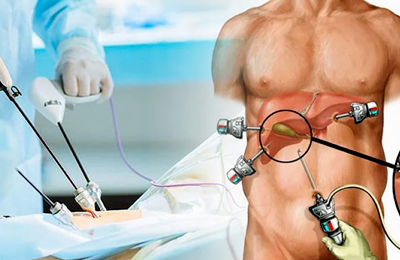
Laparoscopic gall stone surgery, also known as laparoscopic cholecystectomy, is one of the most commonly performed procedures for treating symptomatic gallstones. It is a minimally invasive technique that involves removing the gallbladder through small incisions rather than one large abdominal incision.
1. What Are Gallstones?
Gallstones are small, solid particles that form in the gallbladder. They may vary in size and number and can remain harmless for years. However, if a stone blocks the normal flow of bile, it can cause pain and inflammation and may require medical treatment.
2. Common Symptoms of Gallstones
Not everyone with gallstones experiences symptoms. When symptoms occur, they may include sudden pain in the upper right or upper middle abdomen, especially after eating a fatty meal. Other symptoms can include nausea, vomiting, bloating, indigestion, and discomfort that may radiate toward the back or right shoulder.
3. When Is Surgery Recommended?
Surgery may be advised when gallstones cause repeated episodes of pain or lead to complications such as inflammation of the gallbladder, infection, bile duct blockage, or pancreatitis. In symptomatic cases, removing the gallbladder helps prevent recurrent gallstone-related problems.
4. How Is Laparoscopic Gall Stone Surgery Performed?
During laparoscopic cholecystectomy, the surgeon makes a few small incisions in the abdomen. A laparoscope with a camera is inserted to provide a clear view of the gallbladder. Special surgical instruments are then used to carefully separate and remove the gallbladder containing the stones.
5. Benefits of Laparoscopic Surgery
Compared with traditional open surgery, laparoscopic gallbladder removal generally involves smaller incisions, less postoperative discomfort, reduced scarring, a shorter hospital stay, and a faster return to normal activities. The exact recovery time can vary depending on the patient's overall health and the complexity of the surgery.
Most patients can gradually return to their regular routine after laparoscopic gallbladder surgery. Your surgeon will provide specific instructions regarding diet, physical activity, wound care, and follow-up. Initially, a light and easily digestible diet may be more comfortable while the body adjusts to the absence of the gallbladder.
Some gallstones may not require treatment if they do not cause symptoms. However, once gallstones begin causing recurrent pain or complications, surgical removal of the gallbladder is often the definitive treatment. Medicines or dietary changes may help manage symptoms in selected cases but do not remove existing gallstones in most patients.
Recurring abdominal pain, particularly after meals, should not be ignored. Early evaluation can help identify gallstones and determine the most appropriate treatment before complications develop.
If you have been diagnosed with gallstones or are experiencing repeated abdominal discomfort, consult a qualified surgeon for proper evaluation and treatment planning.
For expert evaluation and minimally invasive gallstone treatment, book an appointment with Dr. Vineet Kini – Consultant General, Laparoscopic & Laser Surgeon.